
Graduate Program Requirements | Graduate Student Showcase | Spanish Language Specialization
The counseling psychology (CSPY) doctoral program leads to a PhD. Students in the program acquire discipline-specific knowledge in six areas:
- history and systems of psychology
- basic content areas
- advanced integrative knowledge of basic discipline-specific content areas
- research methods
- quantitative methods
- psychometrics
This knowledge is acquired in a variety of ways, including:
- required coursework
- comprehensive exams
- portfolio competencies
- successful completion of research projects
Students develop profession-wide competencies in the field of health service psychology through both course work and experiential training in:
- research
- ethical and legal standards
- individual and cultural diversity
- professional values, attitudes, and behaviors
- communication and interpersonal skills
- assessment
- intervention
- supervision
- consultation and interprofessional/interdisciplinary skills
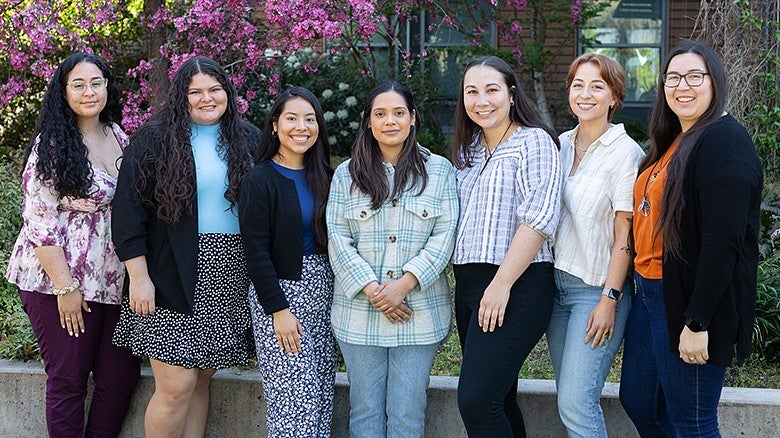
Meet our Counseling Psychology program graduate students and learn about their varied background, research interests, and future aspirations.
Graduate Program Requirements
Please see the UO Catalog for a full list of CPSY learning outcomes, program requirements, and course descriptions.
Additional information about program requirements can be found in the CPSY Doctoral Program Handbook.
Clicking on the link below will download the file to your computer/device.