
14 Research and Outreach Units Driving Change
What happens when bold ideas meet urgent challenges? Across our 14 research and outreach units, faculty, researchers, and community partners turn discovery into action. Together, they develop innovative solutions that strengthen schools, support families, and expand opportunities for children and youth. From early intervention to educational equity, their work creates lasting impact in Oregon, across the nation, and around the world.
Our research culture is field-leading and highly influential with a long tradition of translating research into effective models, methods, and measures that improve lives.
in FY26
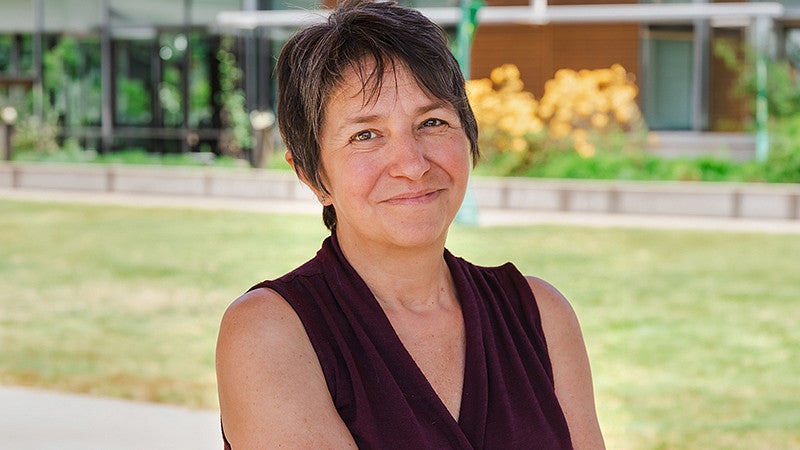
Gina Biancarosa leads the Literacy Screeners for Alaska Indigenous Languages project, which is developing and validating early literacy screeners designed to determine levels of necessary instructional support in reading for kindergarten through fifth grade in up to ten of the 23 Alaska Native languages.
Impact and Outcomes
We are the highest-ranked academic unit at the University of Oregon, due largely to a decades-long record of national and international research and development in special education, counseling psychology, educational leadership, and school psychology. Our research culture is unique and highly influential because our faculty have a long tradition of translating research into effective models, methods, and measures that improve lives.
Our innovations have an enduring impact in Oregon and across the nation.
Recognized for decades of life-changing research, the College of Education fosters a culture of inquiry that empowers students to contribute to impactful solutions that advance equity, improve learning outcomes, and strengthen communities.
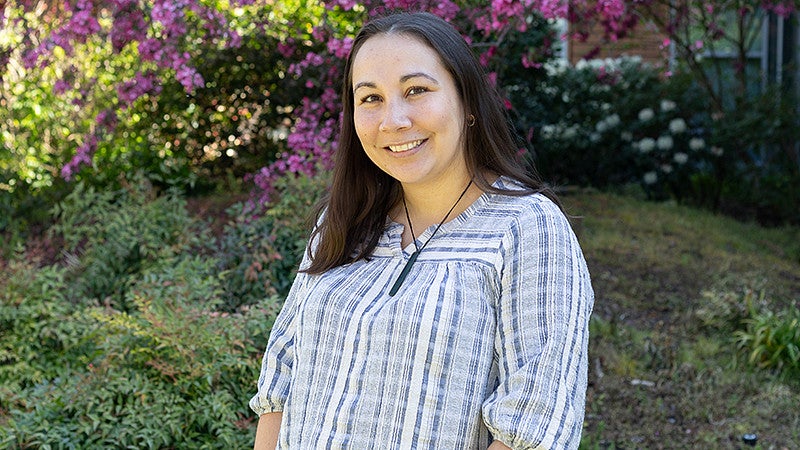

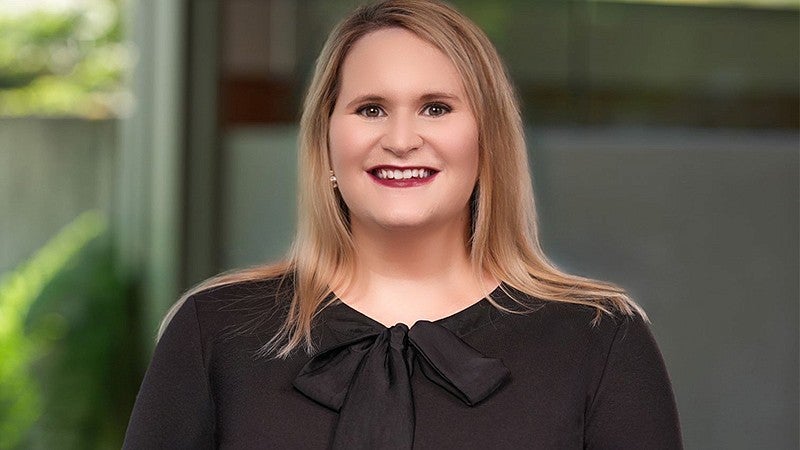
Lauren Berny
As a doctoral student, Lauren received a prestigious R36 dissertation grant from the National Institute on Drug Abuse.
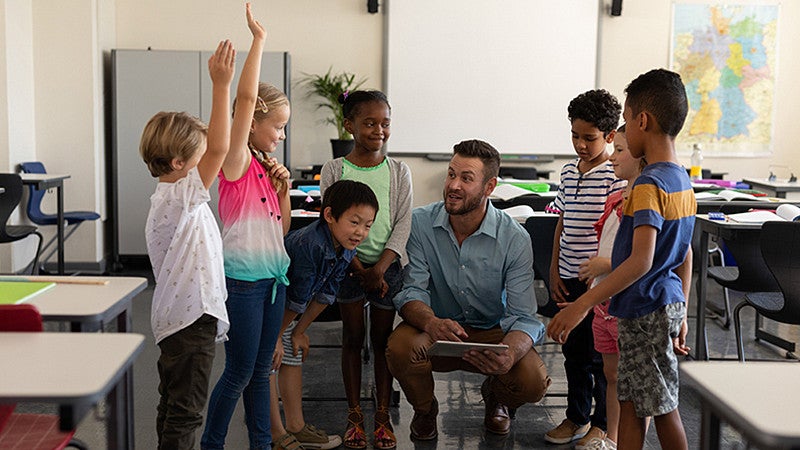
Strengthening connections between research and practice in K-12 education
The HEDCO Institute for Evidence-Based Educational Practice aims to impact future generations by supporting today’s educators. Using the latest tools and methods to conduct rigorous evidence syntheses that meet the rapid decision-making needs of education leaders, the HEDCO Institute translates the findings from existing research, providing education leaders with trustworthy information to support the implementation of evidence-based practices, and promoting healthy students and schools.
Research News
September 28, 2026
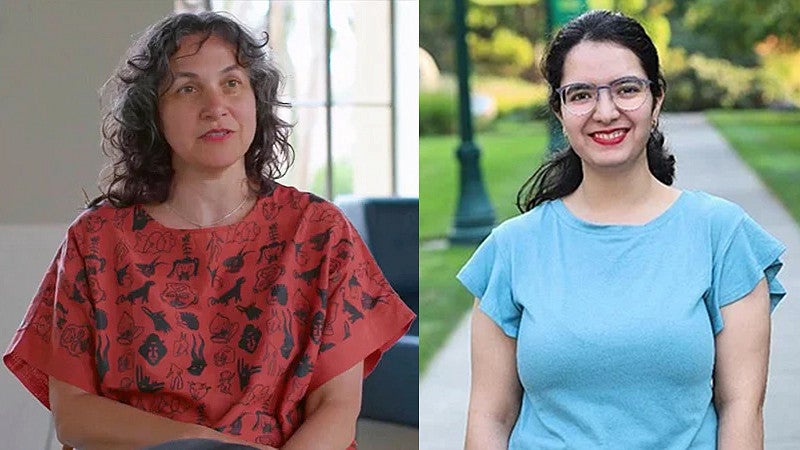
California changes English learner rules for nearly one million students
Professor Ilana Umansky’s research helped inform California’s overhaul of its 50-year-old English learner reclassification policy. Research conducted with QRME PhD student Havisha Khurana contributed to the development of AB 2555, which was unanimously passed by the Legislature and signed into law.
September 22, 2026
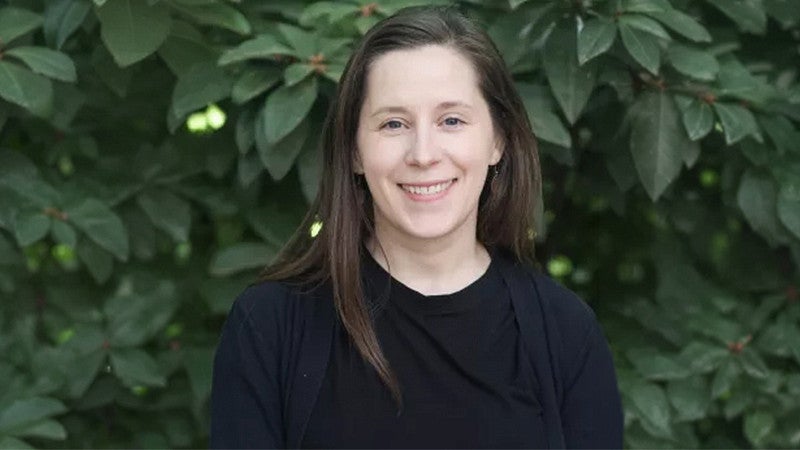
Celebrating a Decade of Impact
This month, The Center for Childhood Safety and Well-being (CSAW) proudly celebrates Senior Research Assistant Simone Piper’s 10-year anniversary, recognizing a decade of leadership, scholarship, and unwavering commitment to preventing child abuse and maltreatment.
September 21, 2026
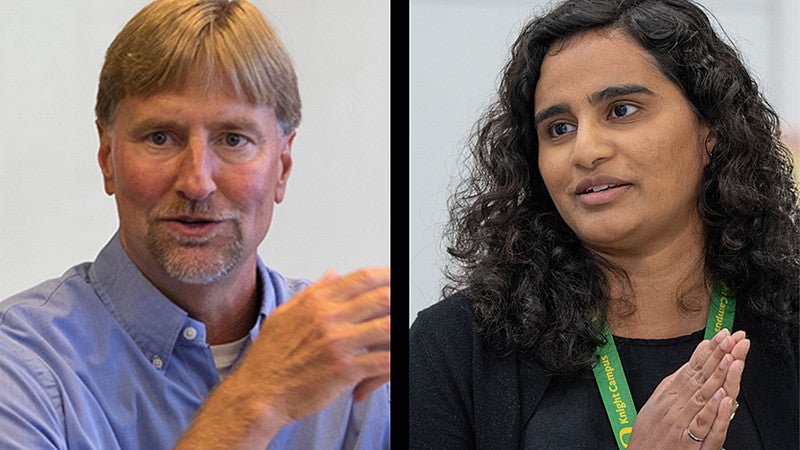
Medical research awards go to bioengineer, education researcher
Two University of Oregon faculty have been recognized for their efforts by Oregon Health & Science University’s (OHSU) Medical Research Foundation of Oregon. John Seeley, the Castle-McIntosh-Knight Professor of Education and executive director of the HEDCO Institute for Evidence-Based Educational Practice is one of the award recipients who will receive the Discovery Award.
September 10, 2026
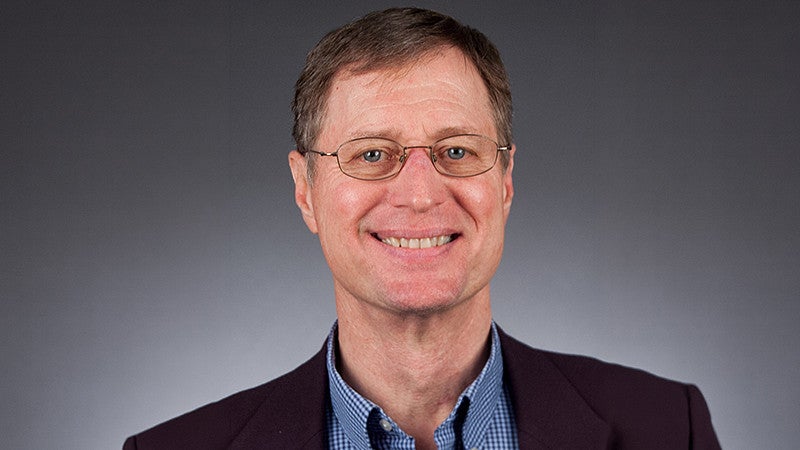
Rob Horner inducted into the MTSS Hall of Fame
Professor Emeritus Rob Horner, PhD, whose groundbreaking work has helped schools nationwide implement proactive systems that promote positive behavior, strengthen school climate, and support student success, was inducted into the Multi-Tiered System of Supports (MTSS) Hall of Fame at the Global MTSS Summit on July 31, 2026.